
Exploring the evolution of casinos A historical journey through gaming
The Origins of Gambling
The history of gambling dates back thousands of years, with evidence found in ancient civilizations such as the Chinese, Egyptians, and Romans. These societies engaged in various games of chance that laid the groundwork for modern casino gaming. In China, around 2300 BC, rudimentary games involving dice were popular, and during the Roman Empire, betting on gladiatorial contests became a staple of social life. These early forms of gambling reflect humanity’s inherent desire for competition and risk-taking. In today’s world, streaming platforms like pikashow-in.mov allow fans to explore this intriguing history further.
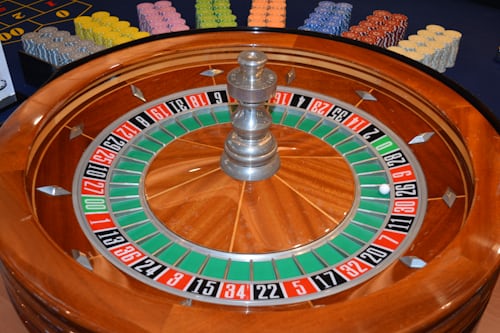
As societies evolved, so did the methods of gambling. The introduction of cards in the 9th century in China gave rise to a new form of gaming, eventually leading to the development of playing cards in Europe. The first recorded gambling house, known as a ‘casino,’ was established in Venice in the 17th century, providing a dedicated space for this burgeoning pastime. This shift from informal gaming to organized establishments marked a significant transition in gambling history.
By the 18th century, gambling houses were thriving across Europe, particularly in France and England. The establishment of gaming regulations aimed to curb cheating and protect players, revealing the growing recognition of gambling as a serious social activity. The evolution of gambling into a regulated industry signified its integration into mainstream culture, laying the foundation for the grand casinos we know today.
The Rise of Casinos in the 19th Century
The 19th century saw a remarkable transformation in the casino landscape, particularly with the establishment of iconic venues like Monte Carlo in Monaco. Opened in 1863, this luxurious casino became synonymous with high-stakes gambling and attracted the elite from around the world. The opulence of Monte Carlo set a precedent for future casinos, emphasizing not just gaming but also lavish surroundings, entertainment, and hospitality.
This period also marked the emergence of casinos in the United States, particularly with the Gold Rush in California during the mid-1800s. Towns such as San Francisco experienced a surge in gambling establishments catering to miners and fortune-seekers. These casinos often featured card games, dice, and early slot machines, laying the groundwork for the vibrant gaming culture that would later flourish in Las Vegas.
Technological advancements during the 19th century played a significant role in shaping the gaming experience. The invention of the modern slot machine in the late 1800s revolutionized casinos by introducing a new form of gaming that was easy to understand and incredibly popular. This accessibility helped to broaden the appeal of casinos beyond just the elite, allowing more people to engage in gambling activities.
The Golden Age of Gambling
The early to mid-20th century is often referred to as the Golden Age of Gambling, characterized by the rise of Las Vegas as the gambling capital of the world. In the 1940s, the legalization of casinos in Nevada marked a pivotal moment in the history of gaming. Las Vegas quickly became a hub for entertainment and gambling, attracting visitors with its extravagant shows and luxury hotels. The iconic Strip began to take shape, housing grand casinos that offered not only gaming but also world-class performances.
During this era, casinos began to diversify their offerings, introducing amenities such as fine dining, shopping, and entertainment options. This evolution transformed casinos into comprehensive entertainment complexes, appealing to a wider audience. The marketing strategies employed by these establishments further enhanced their allure, promoting a lifestyle of glamour and excitement that captivated visitors.
The impact of organized crime on the casino industry during this time cannot be overlooked. Many of the early casinos were financed and operated by mobsters, leading to a complex relationship between law enforcement and the gaming industry. The eventual crackdown on organized crime in the 1980s led to increased regulation and a shift toward corporate ownership, fundamentally changing the landscape of gambling.
The Modern Casino Experience
The latter part of the 20th century and the early 21st century have seen the evolution of casinos into technologically advanced entertainment hubs. The introduction of online gambling in the late 1990s marked a significant milestone, allowing players to engage in gaming from the comfort of their homes. This shift has democratized access to gambling, providing new opportunities for individuals to participate in various games and betting activities.
Modern casinos have embraced technology, incorporating features such as electronic gaming machines, online sportsbooks, and interactive gaming experiences. The integration of mobile apps and digital platforms has further enhanced player engagement, allowing for seamless betting and gaming experiences. Casinos are now leveraging data analytics to tailor their offerings, creating personalized experiences that cater to individual preferences.
In addition to technological advancements, the modern casino experience emphasizes responsible gambling practices. Many establishments now offer resources to help players manage their gambling habits, including self-exclusion programs and educational materials on responsible gaming. This focus on player well-being reflects a growing awareness of the social implications of gambling and a commitment to creating a safe environment for all patrons.
The Future of Casinos
As we look ahead, the future of casinos appears to be shaped by ongoing technological advancements and changing consumer preferences. The rise of virtual reality gaming and immersive experiences could redefine how people engage with casinos, blurring the lines between the physical and digital realms. Innovations in artificial intelligence and machine learning may further enhance personalized gaming experiences, creating tailored offerings for individual players.
Additionally, the global landscape of gambling continues to expand, with more countries legalizing and regulating casinos. This proliferation of gaming options will likely lead to increased competition and diversity in the types of games and experiences offered. As the gambling industry evolves, it will be crucial for operators to adapt to new regulations and market dynamics to remain relevant.
Ultimately, the evolution of casinos reflects broader societal changes and technological innovations. The journey from ancient games of chance to modern entertainment complexes illustrates the adaptability and resilience of the gaming industry. As we continue to explore this fascinating world, it will be intriguing to witness how casinos evolve to meet the demands of future generations.

Conclusion
The evolution of casinos is a testament to humanity’s enduring fascination with games of chance. From their humble beginnings in ancient civilizations to the luxurious resorts we see today, casinos have transformed into multifaceted entertainment venues. This journey through gaming history illustrates not only changes in the methods of gambling but also shifts in societal attitudes and technological advancements.
As new trends emerge and the industry adapts, it is essential for enthusiasts and novices alike to understand this rich history. The insights gleaned from the evolution of casinos can enhance appreciation for the games and experiences offered today, making it a compelling subject for both casual players and serious gamblers. This historical journey offers a deeper understanding of how gambling has woven itself into the fabric of culture across the globe.
